Real Estate & Development
Adaptive Reuse: When Reinvention Beats New Construction
The strongest development opportunity may already be standing. The question is whether an existing asset can support a more valuable future.
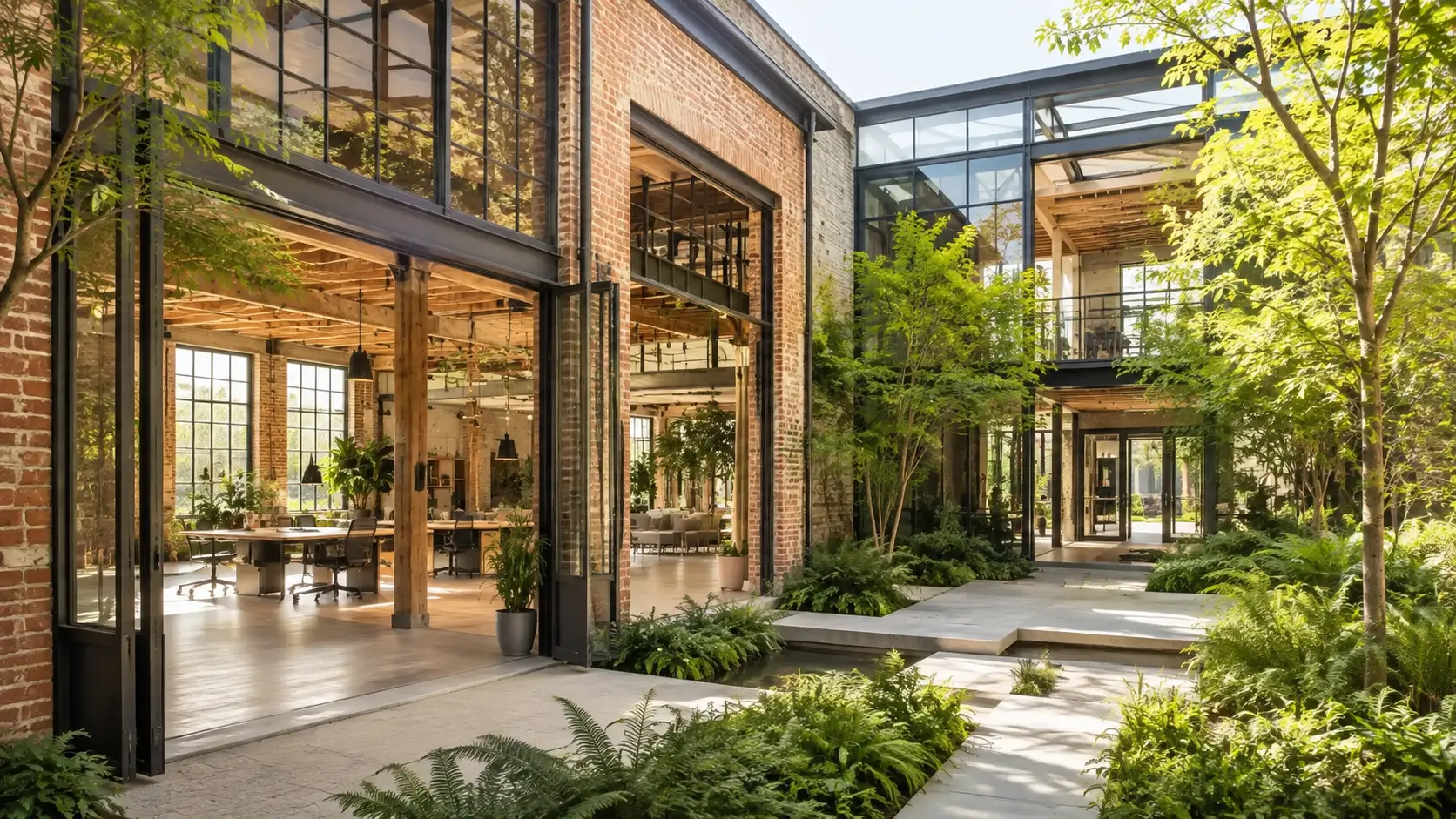
Adaptive reuse begins with a different question than conventional development. Instead of asking what should be built on a site, it asks what an existing structure could become. Warehouses become creative workplaces, obsolete retail becomes mixed-use space, and older buildings find new relevance through housing, hospitality, healthcare, or community uses.
The appeal is clear: an existing building may offer location, character, infrastructure, and embodied value that would be expensive or impossible to recreate. But reinvention is not automatically simpler than new construction. It requires disciplined evaluation.
Begin with the bones of the asset
The structure, floor plates, ceiling heights, access, utilities, environmental condition, and code requirements determine what is realistically possible. A compelling concept cannot compensate for a building that cannot safely or economically support the intended use.
Match the building to the market
Successful reuse connects a distinctive physical asset to genuine demand. The right concept may serve residents, tenants, visitors, or operators in a way that new construction would struggle to match. The project must still be tested against absorption, pricing, operating costs, and competing inventory.
Value what cannot be replicated
Historic detail, mature surroundings, central locations, and an authentic sense of place can become commercial advantages. When preserved intentionally, these qualities help a project stand apart while giving the market a story it can understand.
Know when to start over
Adaptive reuse is not a goal in itself. If remediation, structural work, inefficient layouts, or operating limitations overwhelm the asset's advantages, new construction may create a better long-term result. The right decision is the one that produces the strongest useful life and risk-adjusted value.
To evaluate whether an existing property is a candidate for adaptive reuse, connect with SDG Real Estate & Development.
✦ Connect With an Advisor