Real Estate & Development
How to Identify Real Estate Potential Before It Becomes Obvious
A successful real estate development does not begin with construction. It begins with the ability to recognize potential.
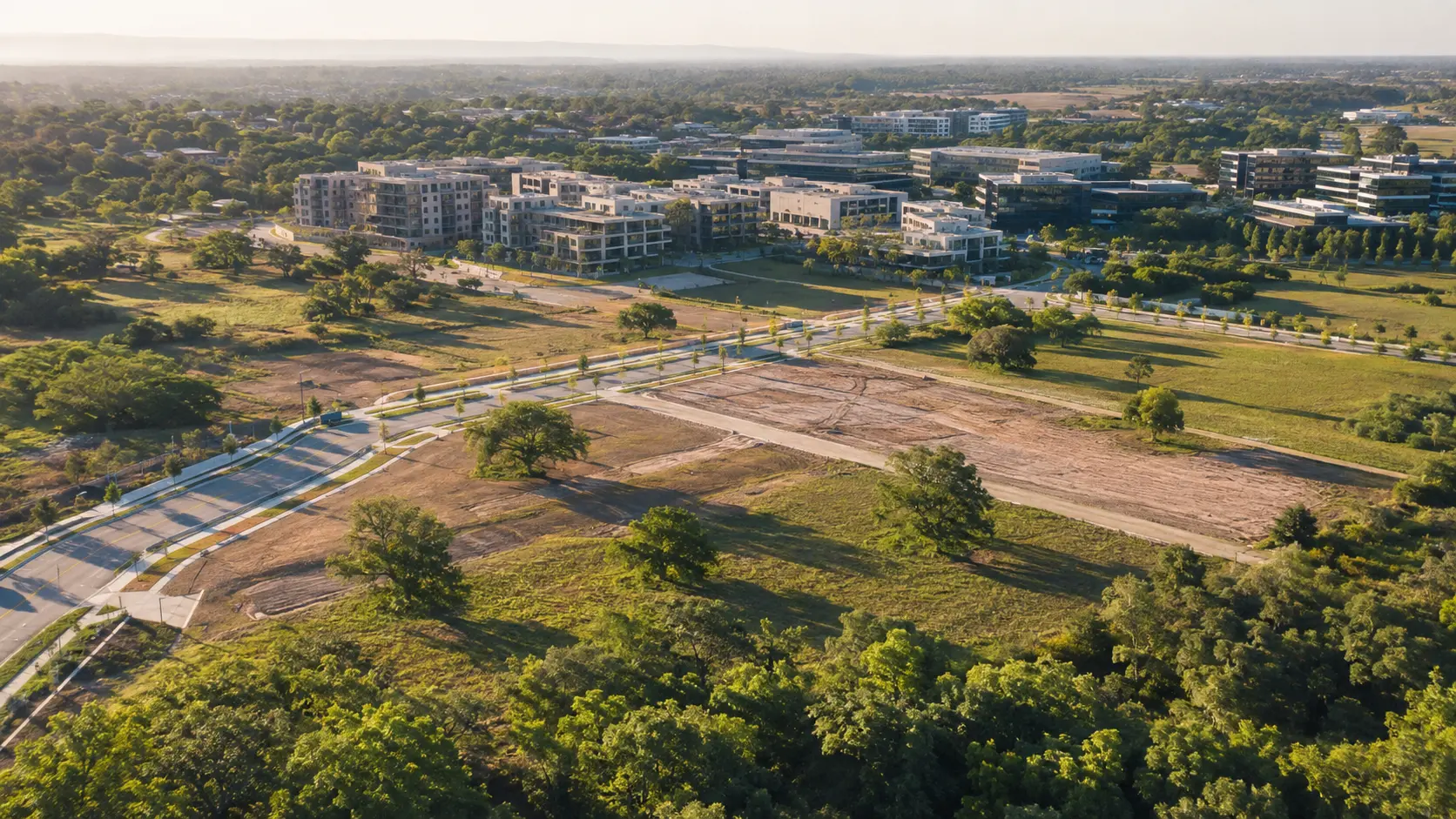
A parcel of land, an underperforming property, or an aging structure may appear unremarkable in its current condition. The opportunity lies in understanding what that asset could become—and whether the market, economics, location, and development strategy support that vision.
At SDG Real Estate & Development, we approach development as a connected process that begins with acquisition and continues through planning, construction, activation, and long-term asset performance.
Identifying the Right Opportunity
Not every available property is a viable development opportunity.
The evaluation process must consider location, access, surrounding growth, infrastructure, zoning, market demand, development costs, and the property’s highest and best use. A promising acquisition should have a clear path to creating greater value than the asset provides in its current state.
That opportunity may involve developing raw land, renovating an existing property, repositioning an underused commercial asset, creating residential inventory, or improving a rental property.
The objective is not simply to acquire real estate. It is to acquire the right real estate for a clearly defined purpose.
Establishing the Development Vision
Once an opportunity has been identified, the next step is defining what should be built, improved, or transformed.
A successful development vision must connect the physical property with the needs of the market. Residential projects should respond to how people want to live. Commercial projects should consider how businesses operate, serve customers, and use space. Mixed or value-add projects must establish how improvements will increase demand and strengthen financial performance.
This stage converts possibility into a practical development concept. It also creates the foundation for planning, budgeting, design, financing, and project execution.
Testing Financial and Operational Feasibility
A compelling concept must also make financial sense.
Before development begins, the project should be evaluated against acquisition costs, construction expenses, professional services, financing, operating costs, projected revenue, anticipated timelines, and potential market changes.
This analysis helps determine whether the project can produce an acceptable return while maintaining sufficient flexibility for unexpected conditions.
Feasibility is not merely an approval step. It is an essential risk-management process that allows the development team to make informed decisions before significant resources are committed.
Moving From Planning to Construction
Construction is the most visible stage of development, but its success depends heavily on the quality of the work completed beforehand.
Clear scopes, realistic schedules, reliable contractors, responsible budgeting, and consistent oversight help keep the project aligned with its original objectives. Communication among ownership, design professionals, contractors, local authorities, and other stakeholders is equally important.
The purpose of construction management is not simply to complete a building. It is to deliver an asset that reflects the development vision, serves its intended users, and supports the project’s long-term financial goals.
Activating the Property
A completed property does not automatically become a successful asset.
The development must attract residents, tenants, buyers, customers, or operating partners. This requires a strong market position and a clear understanding of the people or organizations the property is intended to serve.
For rental and commercial properties, activation may include leasing, tenant improvements, property management, and operational planning. For residential development, it may involve sales strategy, community positioning, and the creation of a desirable living experience.
This is the point where physical development begins to translate into economic value.
Managing for Long-Term Performance
The true measure of a development is not how it performs on opening day. It is how effectively it creates and preserves value over time.
Well-positioned properties require ongoing attention to maintenance, tenant or resident experience, operating costs, market conditions, and opportunities for improvement. Renovations, technology upgrades, operational changes, or strategic repositioning may be required as the asset and its market evolve.
Long-term value is created when the property remains useful, competitive, financially productive, and responsive to the needs of the community around it.
Development as Transformation
Real estate development is ultimately a process of transformation.
It transforms land into places where people live and work. It transforms underperforming properties into productive assets. At its best, it can also strengthen neighborhoods, support businesses, create opportunities, and contribute to broader economic growth.
SDG Real Estate & Development brings together acquisition, planning, construction, renovation, rental-property strategy, and value-add investment to pursue that transformation with discipline and purpose.
Because successful development is not simply about what gets built. It is about the lasting value the completed asset creates.
To discuss a property, development concept, or value-add opportunity, connect with Sterling Development Group.
✦ Connect With an Advisor